Content
Transformer cores are the magnetic backbone of electrical transformers. They provide a low-reluctance path for magnetic flux, allowing efficient transfer of energy between primary and secondary windings. Without a properly designed core, a transformer would suffer from excessive energy losses, overheating, and poor voltage regulation.
The core’s primary function is to concentrate and guide magnetic flux so that electromagnetic induction can occur efficiently. Core design directly affects transformer efficiency, noise levels, size, cost, and long-term reliability. For both oil-filled and dry-type transformers, the quality of the core plays a critical role in overall performance.
When alternating current flows through the primary winding, it creates a changing magnetic field in the transformer core. This magnetic field induces a voltage in the secondary winding according to Faraday’s law of electromagnetic induction. The core ensures that most of the magnetic flux generated in the primary winding is coupled to the secondary winding.
A well-designed core minimizes magnetic leakage and reduces core losses, which include hysteresis loss and eddy current loss. These losses convert electrical energy into heat, so reducing them improves efficiency and extends transformer lifespan.
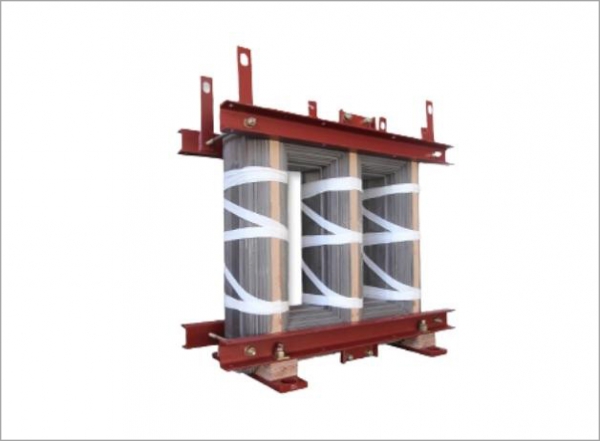
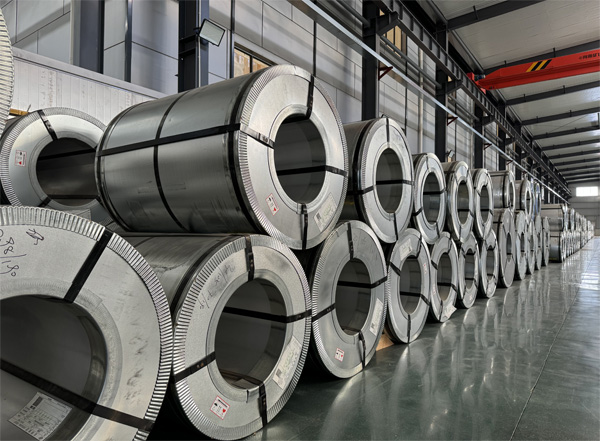
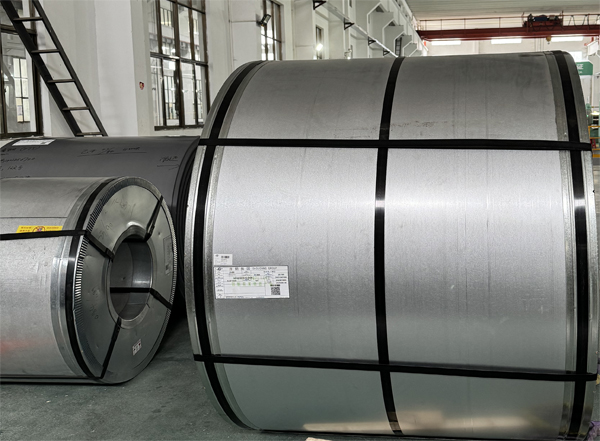
Transformer cores are typically made from ferromagnetic materials that offer high magnetic permeability and low core losses. The most common materials include silicon steel, amorphous metal, and ferrite, depending on application and frequency range.
Grain-oriented silicon steel is especially popular in power and dry-type transformers because it provides excellent magnetic properties in a preferred rolling direction, reducing hysteresis losses.
Core losses are energy losses that occur in the transformer core whenever it is energized, regardless of load. These losses are often referred to as no-load losses and are a key factor in energy efficiency regulations.
Hysteresis loss occurs as the magnetic domains in the core material realign with each AC cycle. Materials with narrow hysteresis loops, such as grain-oriented silicon steel and amorphous metal, help minimize this loss.
Eddy currents are circulating currents induced within the core material. These currents generate heat and waste energy. To reduce eddy current loss, transformer cores are built using thin laminated sheets insulated from each other.
Transformer cores are manufactured in several standard configurations, each offering specific mechanical and electrical advantages depending on application, power rating, and space constraints.
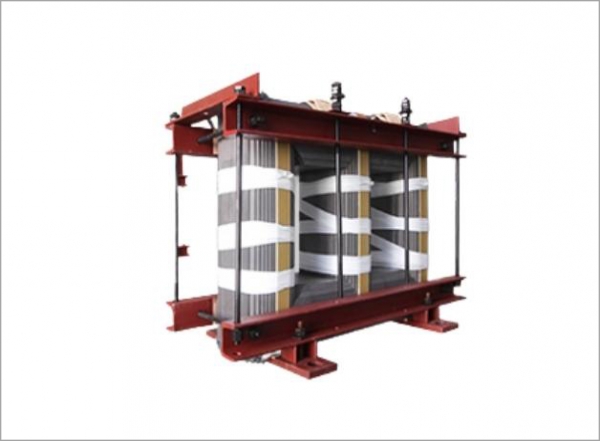
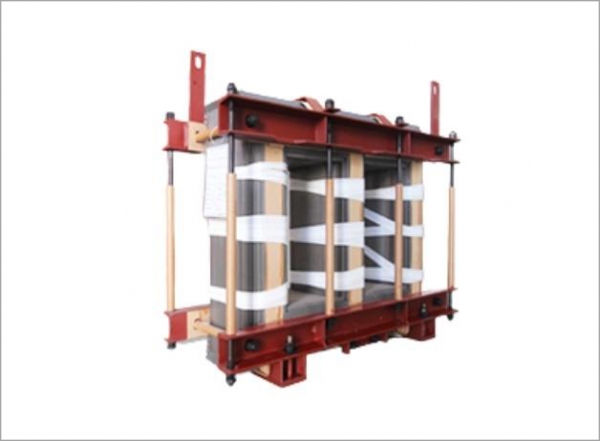
In core-type transformers, the windings surround a significant portion of the core. The magnetic circuit consists of two vertical legs and top and bottom yokes. This design is widely used in distribution and power transformers.
Shell-type transformers have windings enclosed by the core, offering better mechanical protection and lower leakage flux. This design is often used in applications requiring higher short-circuit strength.
Toroidal cores are ring-shaped and provide excellent magnetic coupling with very low leakage flux. They are compact and efficient but more difficult and costly to wind.
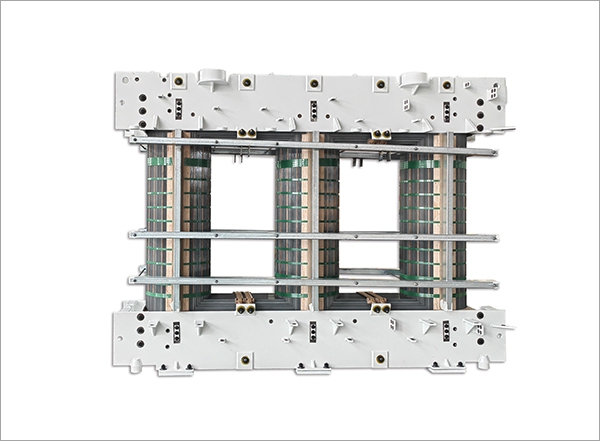
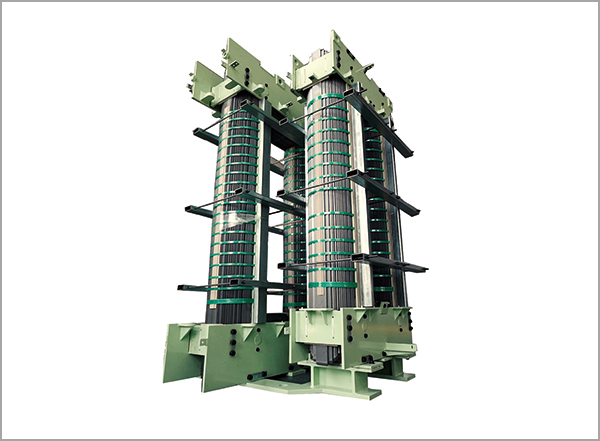
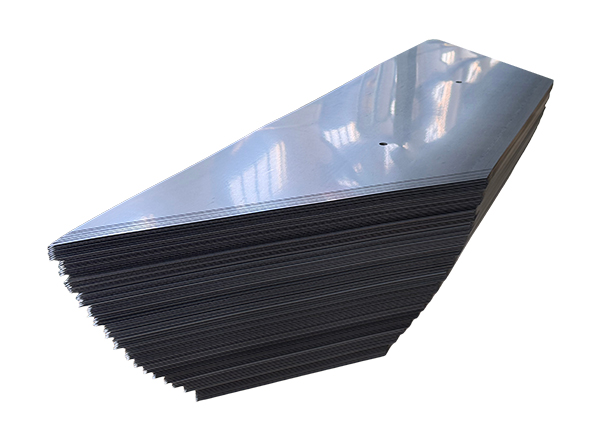
Transformer core construction involves stacking or winding thin laminations of magnetic steel. These laminations are insulated to reduce eddy currents and assembled to form a closed magnetic circuit.
Precision cutting, step-lap joints, and optimized stacking patterns are commonly used to reduce air gaps and minimize magnetizing current. High-quality construction directly improves efficiency and reduces audible noise.
Dry-type transformer cores are specifically designed to operate without liquid insulation. Because cooling is achieved through air or forced ventilation, the core must be optimized to reduce losses and heat generation.
Dry-type cores often use high-grade grain-oriented silicon steel or amorphous alloys to achieve lower no-load losses. Mechanical rigidity is also critical to reduce vibration and audible hum.
| Material | Core Loss | Cost | Typical Use |
| Grain-Oriented Silicon Steel | Low | Medium | Standard dry-type transformers |
| Amorphous Metal | Very Low | High | Energy-efficient designs |
| Ferrite | Low at High Frequency | Low | Electronic transformers |
Transformer core noise is mainly caused by magnetostriction, which is the slight expansion and contraction of core material as the magnetic field changes. This vibration can produce an audible hum.
Dry-type transformer cores are often clamped and bonded carefully to reduce vibration. Advanced core joint designs and high-quality steel also help minimize noise levels in commercial and residential installations.
Many countries enforce strict energy efficiency standards for transformers, which directly affect core material and design choices. Lower core losses translate into reduced operating costs and lower environmental impact.
Selecting a high-efficiency transformer core is especially important for dry-type transformers used in buildings, data centers, and industrial facilities that operate continuously.
Dry-type transformer cores are widely used in applications where safety, cleanliness, and fire resistance are critical. These include commercial buildings, hospitals, schools, and underground installations.
Their cores are designed to operate reliably in environments where oil-filled transformers may not be suitable, making dry-type transformers a preferred choice for indoor and sensitive locations.
Transformer cores generally require minimal maintenance, but proper installation and environmental control are essential. Excessive dust, moisture, or vibration can degrade core performance over time.
Regular inspections, thermal monitoring, and noise checks can help identify early signs of core-related issues, ensuring long service life and reliable transformer operation.
Choosing the right transformer core involves balancing efficiency, cost, size, and application requirements. For dry-type transformers, low-loss materials and robust mechanical design are especially important.
By understanding core types, materials, and construction methods, engineers and buyers can select transformer cores that deliver optimal performance, reduced energy consumption, and long-term reliability.

 +86-523 8891 6699
  +86-523 8891 8266
  info@tl-core.com
  No.1, Third Industrial Park, Liangxu Street, Taizhou City, Jiangsu, China
 Copyright © 2024 Taizhou Tianli Iron Core Manufacturing Co., Ltd. All Rights Reserved.




 English
 Español
 Türk
Türk 中文简体
中文简体


 Home
Home