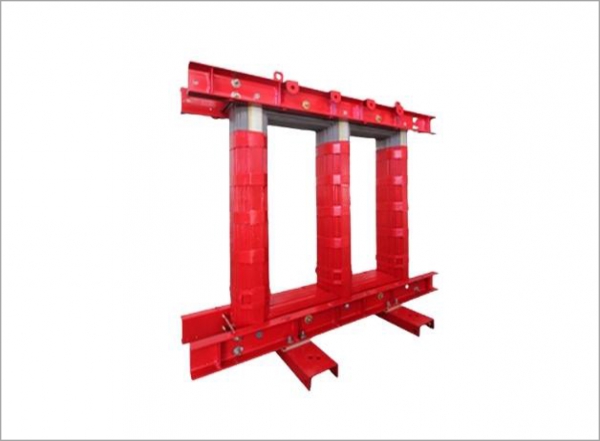
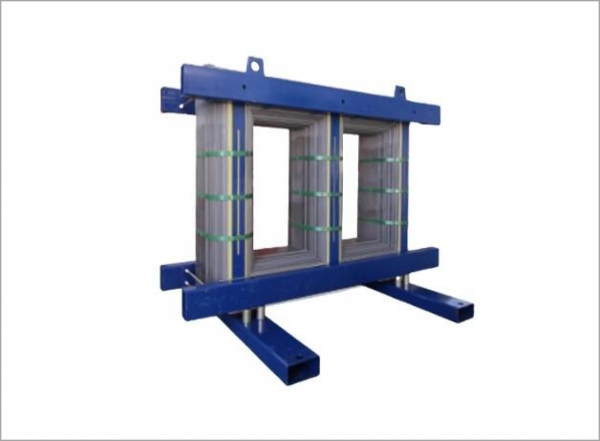
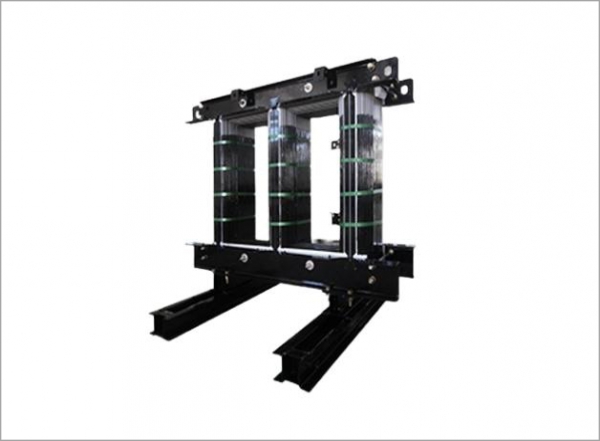
Dry-type transformers are a critical component in electrical power distribution systems, known for their efficiency and safety in various industrial and commercial applications. Unlike their oil-filled counterparts, dry-type transformers use air, nitrogen, or sulfur hexafluoride (SF6) as insulation, making them more environmentally friendly and less prone to fire hazards.The core of a dry-type transformer is typically made from high-grade silicon steel, which is laminated to reduce eddy current losses and improve overall efficiency. These laminations are stacked together to form the core, which serves as the magnetic circuit that guides the magnetic flux generated by the transformer's windings. The core design can vary, with common types including the core type and the shell type. Dry-type transformer cores are also available in different grades, such as M-core and amorphous core, which offer magnetic properties and energy efficiency. These advancements in core technology contribute to the growing popularity of dry-type transformers in modern electrical systems, where reliability, safety, and energy conservation are paramount.
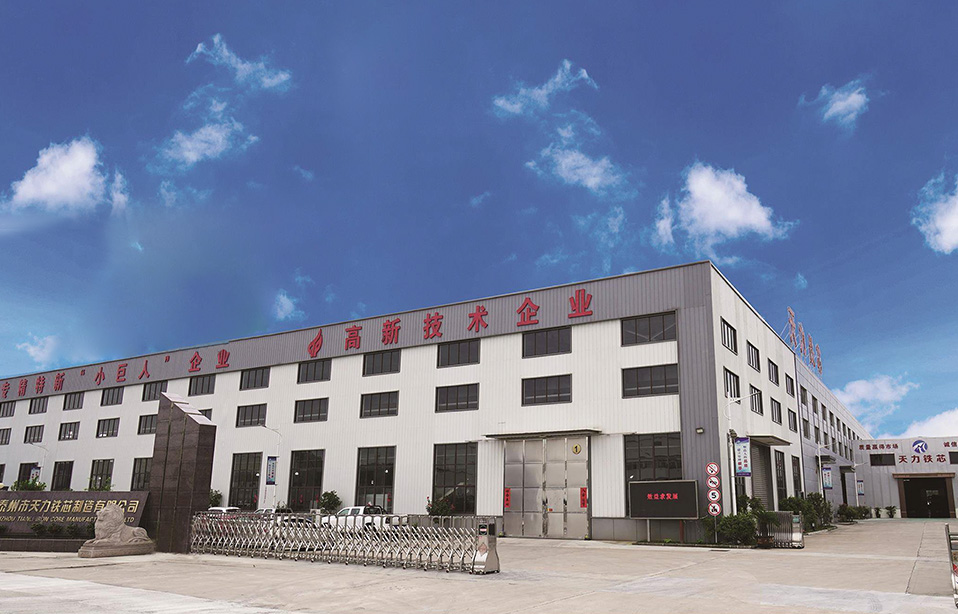
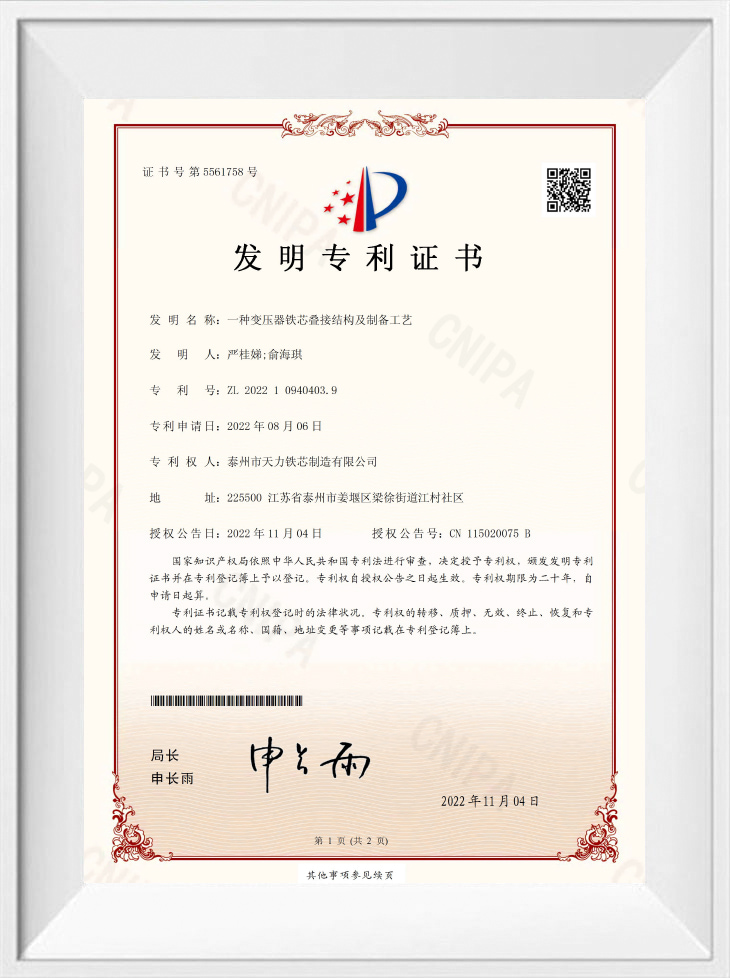
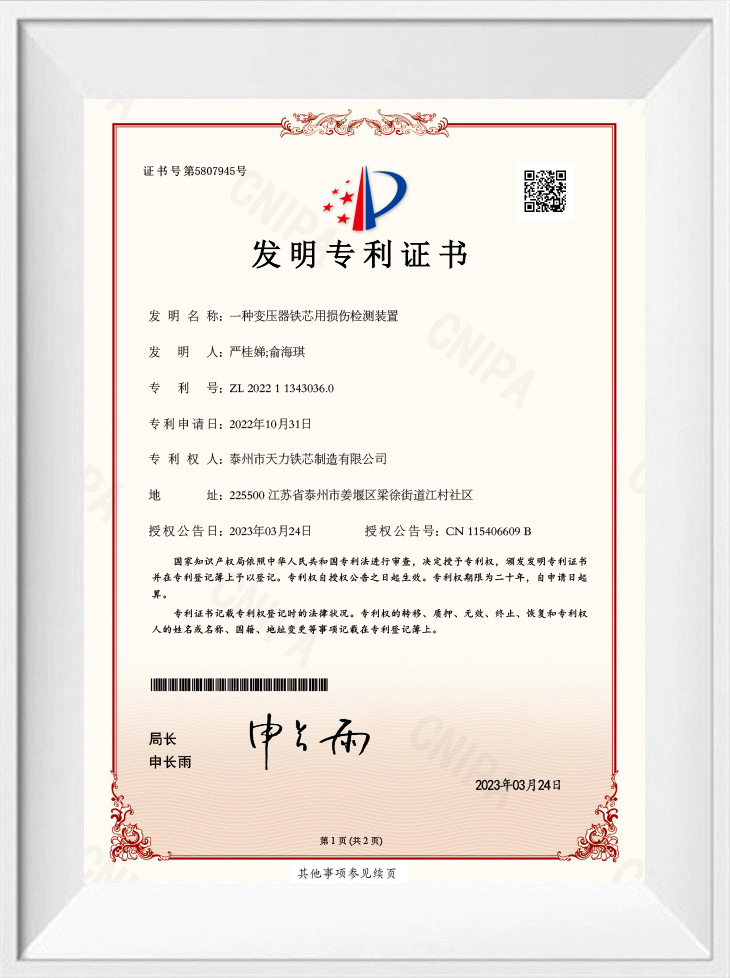
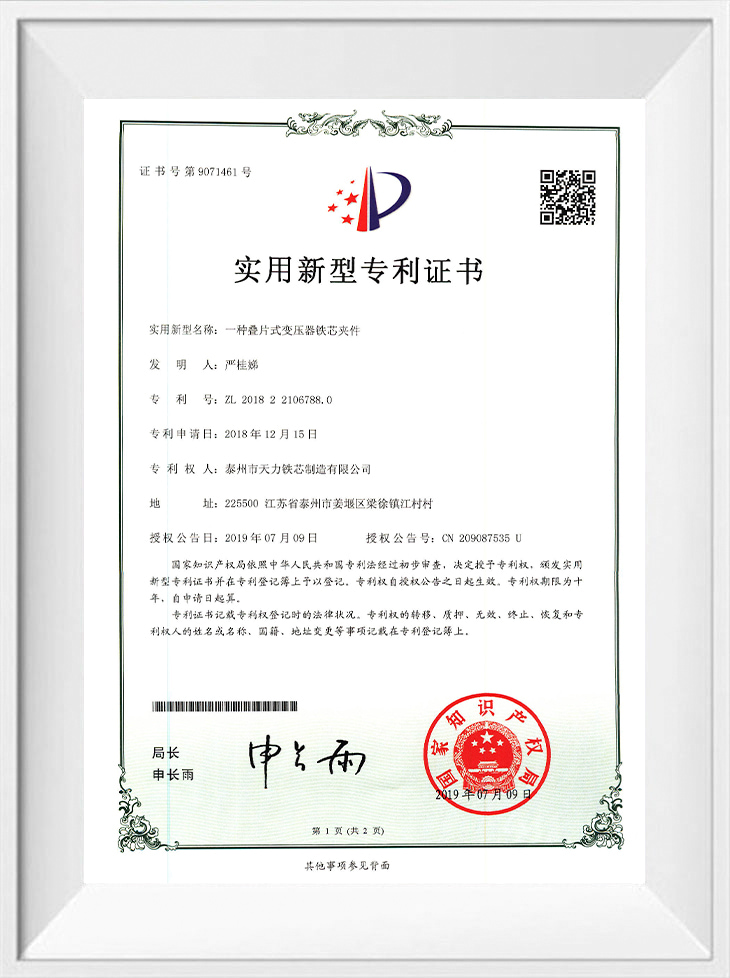
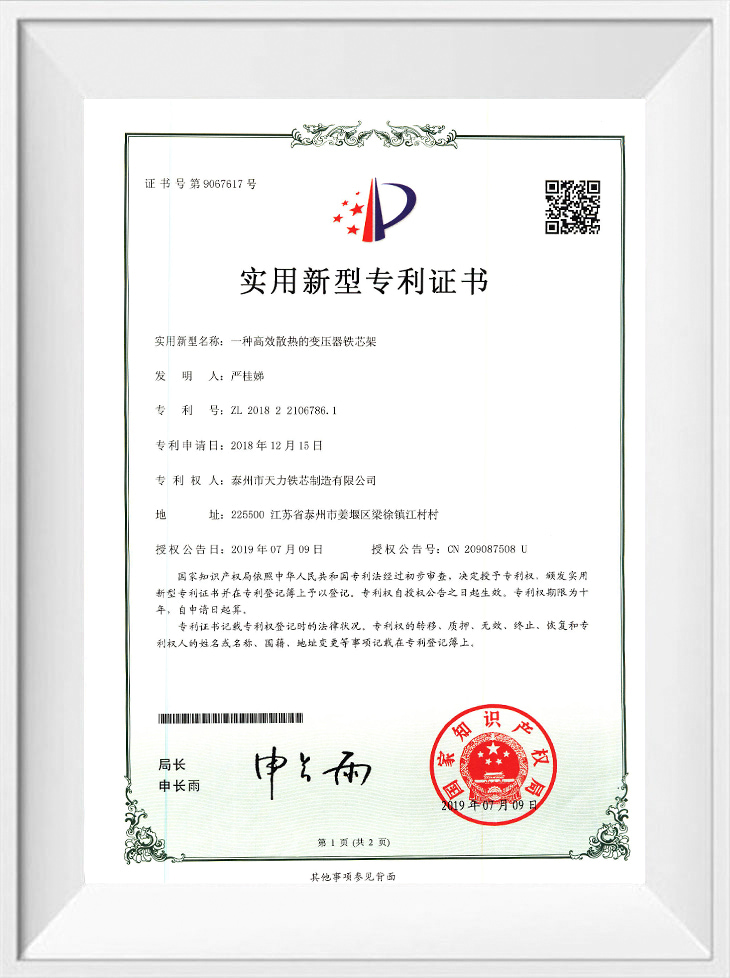
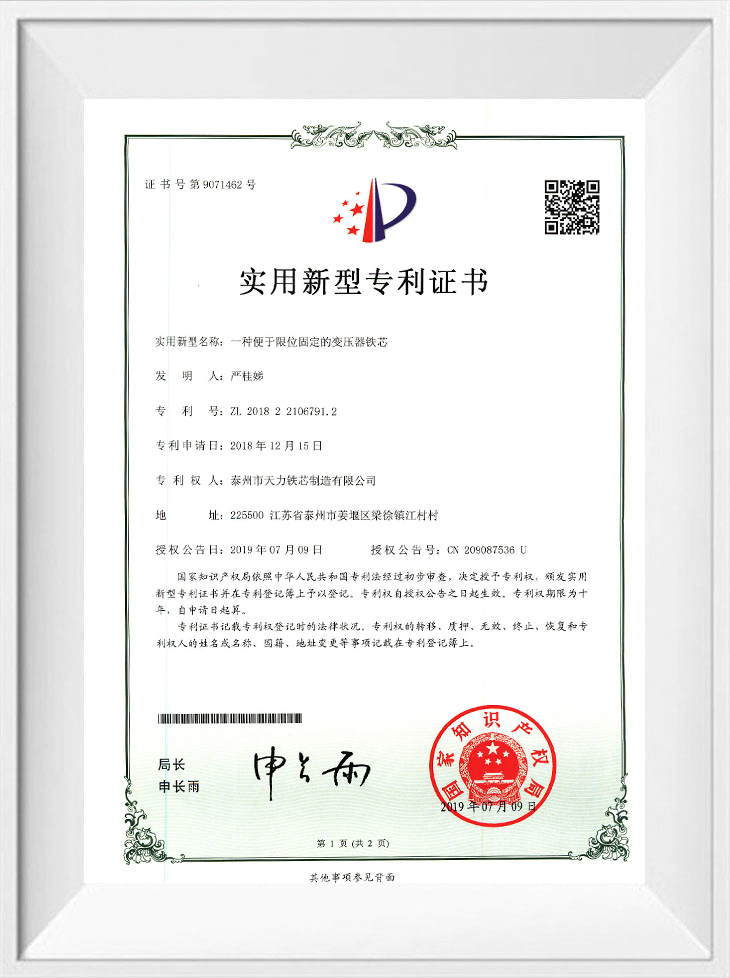
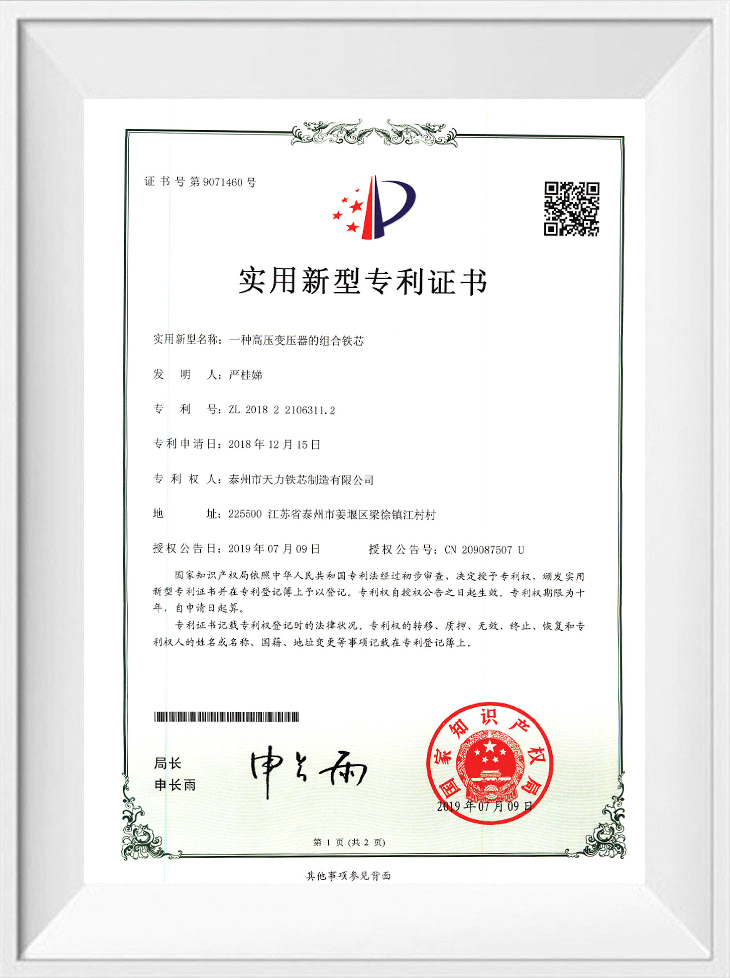
Taizhou Tianli Iron Core Manufacturing Co., Ltd. is China Dry-Type Transformer Core Suppliers and Dry-Type Transformer Core factory. Established in 2009, Tianli Iron Core is a leading full-solution provider of transformer core materials and assemblies. We specialize in slitted coils, core laminations, and precision-assembled magnetic cores for distribution and power transformers. With a strong technical foundation and materials sourced from top-tier mills like Shougang and Baosteel, we deliver reliable, high-performance solutions tailored to each client’s needs. Our experienced team ensures quality, flexibility, and responsive service across global markets. From material selection to final core assembly, Tianli is committed to powering your success—efficiently and dependably.
Your trusted partner in transformer core excellence.
What Are Silicon Steel Mother Coils? Silicon steel mother coils — also referred to as electrical steel master coils or grain-oriented/non-grain-oriented electrical steel coils — are large-format rolls of silicon-alloyed steel produced at steel mills ...
View MoreWhat Are Silicon Steel Mother Coils? Silicon steel mother coils, also referred to as electrical steel master coils or silicon steel coils in their full-width, unprocessed form, are large rolls of silicon-alloyed steel strip produced directly from the...
View MoreWhat Are Silicon Steel Mother Coils? Silicon steel mother coils — also referred to as electrical steel coils or transformer steel coils — are large-format rolls of silicon-alloyed steel produced as the primary upstream material for electromagnetic ap...
View MoreHow durable is the dry-type transformer core under various operating conditions?
The durability of a dry-type transformer core under various operating conditions depends on several factors, including the core material, design, and the environmental conditions in which the transformer operates. Here’s a breakdown of factors influencing core durability:
Material Quality
Silicon Steel Core: Most dry-type transformer cores are made of laminated silicon steel, which offers good magnetic properties and durability. However, over time, the core laminations may be subject to wear, especially if exposed to extreme temperatures or mechanical stresses.
Amorphous Metal Core: Cores made from amorphous metals offer superior energy efficiency and durability because they have lower magnetic losses (less heat generation) and are resistant to core deterioration under high temperatures.
Temperature Tolerance
Dry-type transformers are designed to handle high temperatures, but the core’s ability to withstand heat is crucial. Silicon steel cores are typically able to handle standard operating temperatures well, but prolonged exposure to extreme heat could cause the core laminations to degrade over time.
Core Overheating: If the transformer operates above its rated temperature for extended periods, it could lead to core insulation breakdown, affecting long-term durability. Proper ventilation and cooling systems ensure the core remains within safe operating temperatures.
Mechanical Stresses
Transformer cores experience mechanical stresses from magnetostriction (expansion and contraction due to the magnetic field) and vibration. The core design and mounting must be robust enough to handle these stresses without becoming misaligned, which could affect efficiency and longevity.
Vibration Resistance: Some cores are specifically designed to minimize vibrations, which can prolong the life of the core by reducing physical wear and fatigue over time.
Environmental Conditions
Humidity and Moisture Resistance: Dry-type transformers are more resistant to environmental contaminants such as moisture than oil-filled transformers, but they are still vulnerable to humidity if not properly protected. Moisture can lead to corrosion of the core, especially in humid or coastal environments, reducing its durability.
Corrosion Resistance: Cores used in dry-type transformers are often coated with protective materials to resist corrosion. However, in harsh environments like chemical plants or coastal areas, additional protective measures may be required to enhance durability.
Thermal Cycling
Frequent temperature fluctuations (thermal cycling) can cause stress on the core material due to expansion and contraction. High-quality laminations and proper insulation help mitigate the effects of thermal cycling, but extreme or frequent changes in temperature can accelerate wear.
Magnetic Saturation and Overload
If the transformer operates beyond its rated capacity or if the core becomes magnetically saturated, it may generate excessive heat, leading to insulation breakdown or permanent damage to the core. Proper sizing of the transformer and monitoring of load conditions are critical to prevent overloading.
Core Insulation Durability
The insulating material used in the core must be durable enough to withstand the stresses from electrical currents and magnetic fields. Over time, insulation degradation can lead to higher losses and lower efficiency, affecting the overall longevity of the core.
Maintenance Practices
Regular maintenance, including inspections for wear, temperature monitoring, and ensuring proper ventilation, will significantly enhance the durability of the core. Preventative measures can mitigate the risk of failure due to environmental or operational stress.
The dry-type transformer core is generally very durable under normal operating conditions, with a lifespan of decades when properly maintained. Its durability is influenced by the quality of materials, protection against environmental factors, and effective thermal management. In harsh environments, corrosion and thermal stress might shorten the core’s lifespan, but with adequate protection and maintenance, dry-type transformer cores are designed to withstand demanding conditions.

 +86-523 8891 6699
  +86-523 8891 8266
  info@tl-core.com
  No.1, Third Industrial Park, Liangxu Street, Taizhou City, Jiangsu, China
 Copyright © 2024 Taizhou Tianli Iron Core Manufacturing Co., Ltd. All Rights Reserved.




 English
 Español
 Türk
Türk 中文简体
中文简体
 Home
Home