

 English
 Español
 Türk
Türk 中文简体
中文简体
Home / News Room / Industry News / Why Are Silicon Steel Mother Coils the Backbone of Modern Electromagnetic Applications?
Content
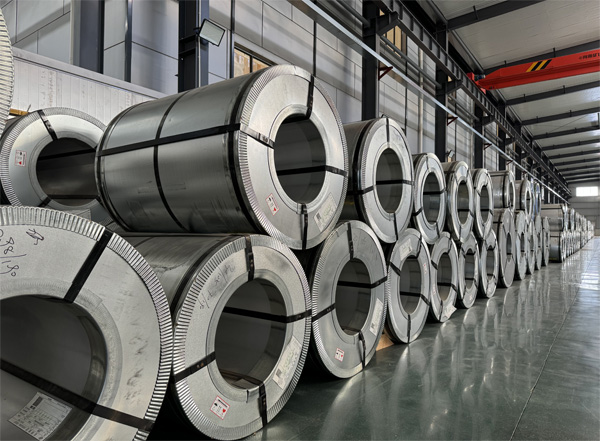
Silicon steel mother coils — also referred to as electrical steel coils or transformer steel coils — are large-format rolls of silicon-alloyed steel produced as the primary upstream material for electromagnetic applications. These coils serve as the raw stock from which narrower slit coils, laminated cores, and precision strips are cut for use in transformers, electric motors, generators, and inductors. The term "mother coil" specifically refers to the full-width master roll produced at the steel mill, before it undergoes any secondary slitting or stamping operations.
The addition of silicon — typically ranging from 1.5% to 6.5% by weight — to the steel alloy dramatically reduces core losses (energy dissipated as heat during magnetic cycling), increases electrical resistivity, and improves magnetic permeability. These properties are critical in applications where alternating magnetic fields are continuously generated, and where efficiency losses translate directly into energy waste and operational cost.
The two primary categories of silicon steel mother coils differ fundamentally in their internal crystalline structure and, as a result, in their performance characteristics and applications.
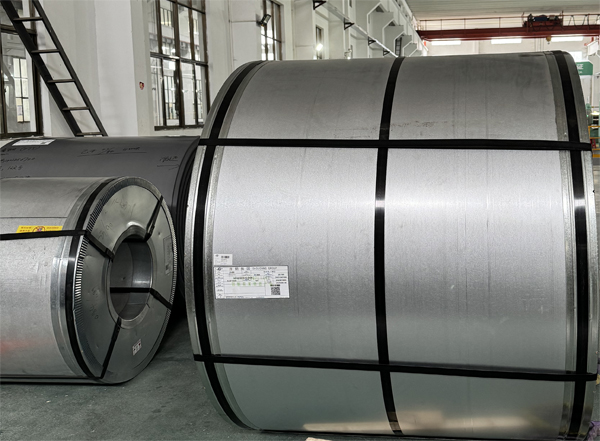
Grain-oriented silicon steel is manufactured through a controlled rolling and annealing process that aligns the crystal grains of the steel in a single preferred direction — along the rolling direction. This alignment dramatically improves magnetic permeability and reduces core losses when the magnetic flux flows parallel to the rolling direction. GOES typically contains around 3% silicon and is produced to extremely tight thickness tolerances, often between 0.23mm and 0.35mm. It is the preferred material for power and distribution transformer cores, where the magnetic circuit is designed to exploit its directional properties.
Non-grain-oriented silicon steel has a more uniform crystalline structure with no preferred magnetic direction, meaning it performs consistently regardless of the orientation in which the magnetic flux travels. This makes it ideal for rotating electrical machines — such as motors and generators — where the magnetic field rotates rather than oscillates in a single direction. NGOES typically contains 1.5% to 3.5% silicon and is available in a wider range of thicknesses, from 0.35mm to 0.65mm or more, depending on the application's frequency and efficiency requirements.
Buyers and engineers evaluating silicon steel mother coils should understand the core technical specifications that determine suitability for a given application. These parameters are typically reported on mill test certificates and vary across grades and manufacturers.
| Parameter | Typical Range | Significance |
| Thickness | 0.18mm – 0.65mm | Thinner = lower eddy current losses |
| Silicon Content | 1.5% – 6.5% | Higher Si = higher resistivity, lower losses |
| Core Loss (W/kg) | 0.8 – 5.5 W/kg | Lower value = more efficient material |
| Magnetic Flux Density (T) | 1.60T – 1.92T | Higher B value = better magnetic performance |
| Coil Width | 600mm – 1250mm | Determines downstream slitting options |
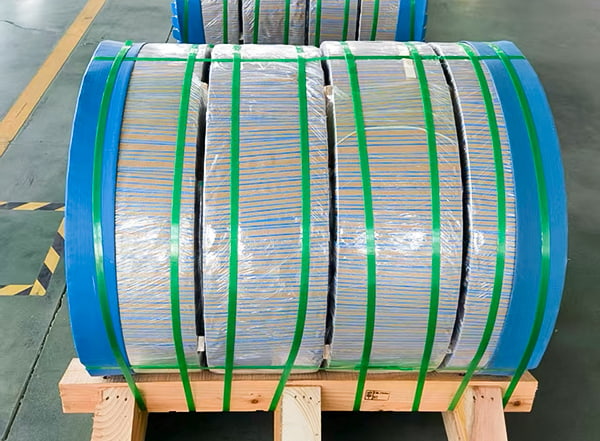
| Coil Weight | 3 – 12 metric tons | Affects logistics and slitting yield |
Core loss is expressed under standardized test conditions — typically at a magnetic flux density of 1.5T or 1.7T and a frequency of 50Hz or 60Hz — and serves as the primary performance benchmark for comparing grades. Magnetic flux density at a given field strength (B800 or B2500) indicates how effectively the material conducts the magnetic field, which determines the size and weight efficiency of the resulting core design.
Silicon steel mother coils are produced and traded according to several international grading systems. Understanding these standards is essential when sourcing material across different markets and suppliers.
When comparing grades across standards, it is important to verify that test conditions (flux density level and frequency) match, as the same physical material may receive different grade designations under different systems due to measurement methodology differences.
Silicon steel mother coils are the foundational input material for a wide range of electromagnetic devices. The downstream processing and end-use application determine which grade and type of coil is most appropriate.
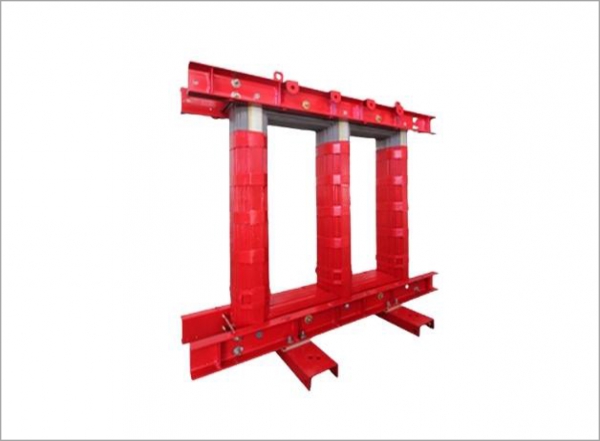
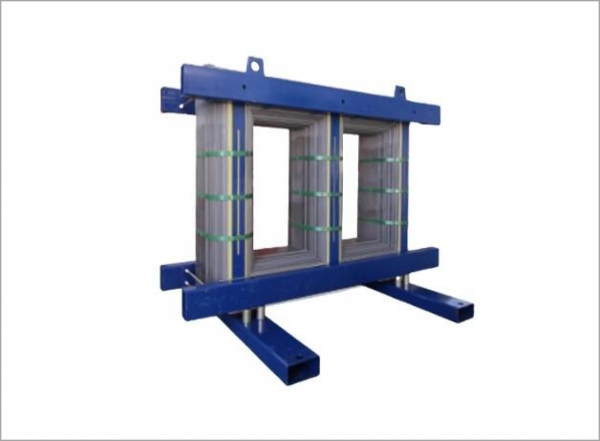
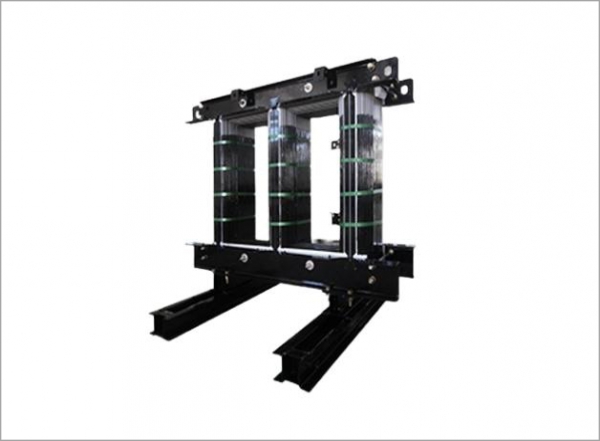
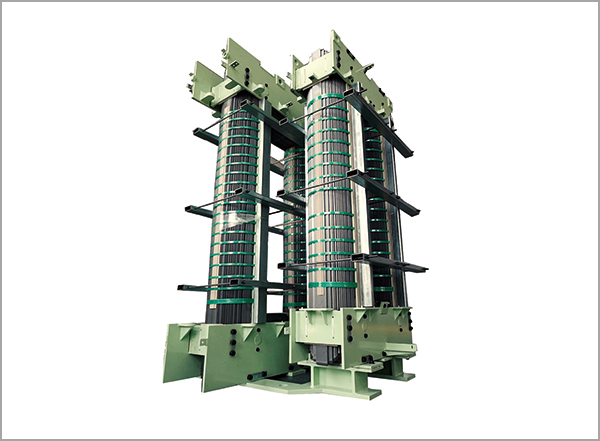
Grain-oriented silicon steel is the dominant material for transformer core manufacturing. Large power transformers operating at 50Hz or 60Hz require materials with extremely low core losses, as even marginal improvements in loss efficiency translate to significant energy savings over decades of continuous operation. High-permeability GOES grades — often marketed under proprietary designations such as Hi-B — are particularly prized for their ability to achieve low losses at high flux densities, enabling more compact core designs without sacrificing efficiency.
The rapid global expansion of electric vehicles, industrial automation, and renewable energy systems has created surging demand for high-performance non-grain-oriented silicon steel. EV traction motors, in particular, operate at high rotational speeds and elevated frequencies — often 400Hz to 1000Hz — where standard NGOES grades suffer significant eddy current losses. This has driven development of thin-gauge, high-silicon NGOES grades specifically engineered for high-frequency motor applications, with thicknesses as low as 0.20mm and silicon contents approaching 3.5%.
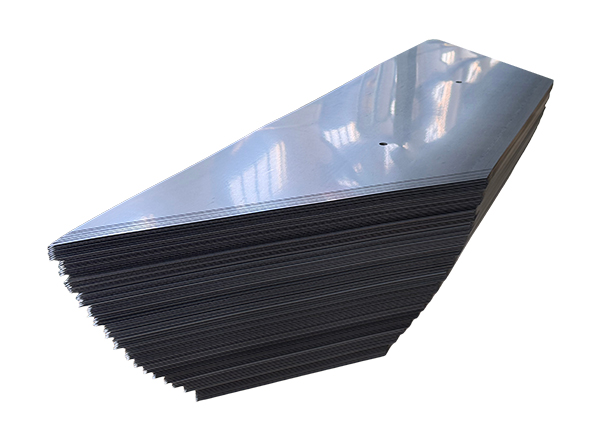
Beyond mainstream transformers and motors, silicon steel coils are used in current transformers, magnetic shielding components, fluorescent lamp ballasts, and specialized inductors. These applications often require narrowly slit strip material cut from mother coils to precise widths and with specific edge conditioning, making the quality of the original mother coil — particularly its flatness, edge condition, and surface coating integrity — critical to downstream processing yield.
Silicon steel mother coils are supplied with insulating surface coatings that serve multiple functions: electrically isolating individual laminations in a stacked core to suppress eddy currents, protecting the surface from corrosion during storage and processing, and reducing inter-lamination friction to facilitate stamping and stacking. The choice of coating type significantly affects core performance and compatibility with downstream manufacturing processes.
Procuring silicon steel mother coils involves more than selecting a grade from a catalog. Buyers must evaluate multiple supply chain, quality, and logistics factors to ensure consistent material performance and production efficiency.
For high-volume industrial buyers, establishing direct relationships with primary steel mills — or working with qualified service centers that maintain mill-direct supply agreements — provides greater consistency in material quality and more reliable access to premium grades during periods of tight market supply. As global demand for energy-efficient electrical equipment continues to grow, silicon steel mother coils will remain among the most strategically important specialty steel products in the industrial materials market.

 +86-523 8891 6699
  +86-523 8891 8266
  info@tl-core.com
  No.1, Third Industrial Park, Liangxu Street, Taizhou City, Jiangsu, China
 Copyright © 2024 Taizhou Tianli Iron Core Manufacturing Co., Ltd. All Rights Reserved.




 Home
Home