

 English
 Español
 Türk
Türk 中文简体
中文简体
Home / News Room / Industry News / How to Choose a High-Performance Oil-Immersed Transformer Core for Efficient Power Systems?
Content
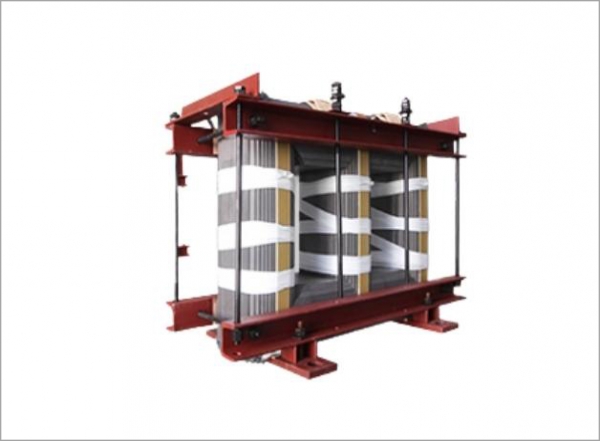
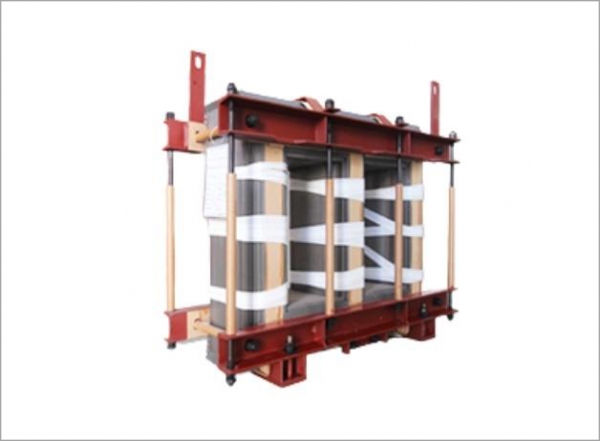
The oil-immersed transformer core is one of the most critical components in electrical power transformers, directly influencing magnetic performance, energy efficiency, temperature rise, and overall service life. Located inside the transformer tank and fully submerged in insulating oil, the core serves as the magnetic path through which alternating magnetic flux circulates between the primary and secondary windings.
In power distribution systems, substations, industrial plants, renewable energy projects, and commercial electrical networks, the transformer core determines how efficiently electrical energy is transferred from one voltage level to another. A well-designed oil-immersed transformer core minimizes no-load losses, reduces noise, and improves long-term operational stability.
For manufacturers, project engineers, and procurement teams, understanding the structure and selection criteria of transformer cores is essential when choosing high-performance equipment.
The transformer core provides a low-reluctance magnetic circuit that channels the magnetic flux generated by the primary winding. When alternating current flows through the primary coil, it creates a changing magnetic field. This magnetic flux passes through the laminated steel core and induces voltage in the secondary winding.
The insulating oil surrounding the core performs two major functions: electrical insulation and heat dissipation. It helps cool the core and winding assembly while also preventing short circuits and moisture-related degradation.
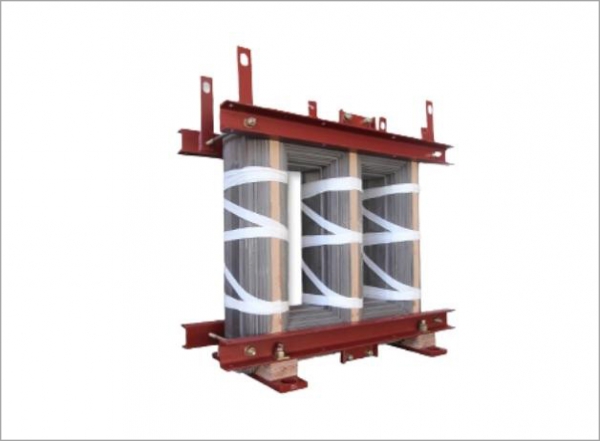
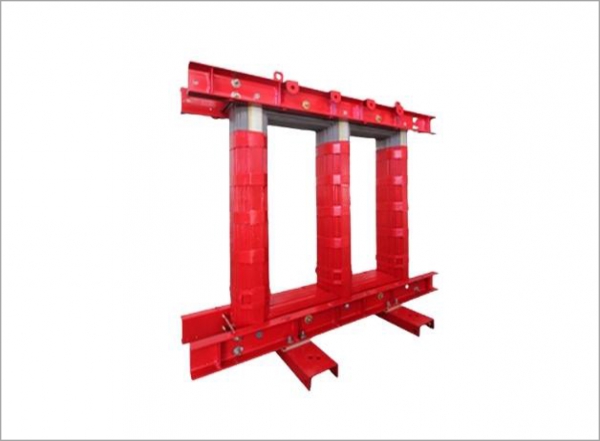
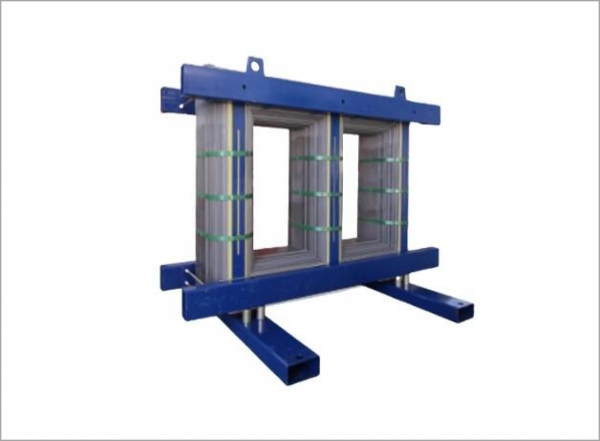
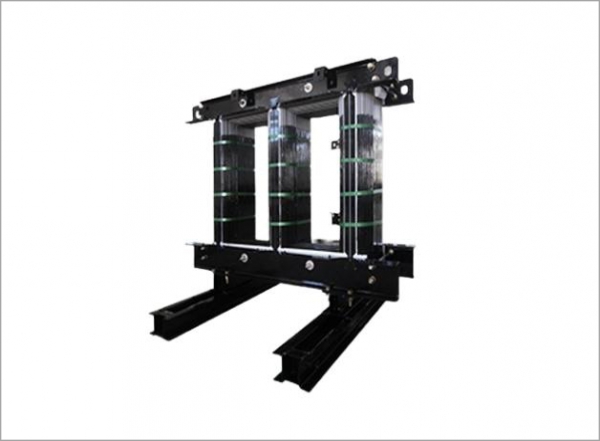
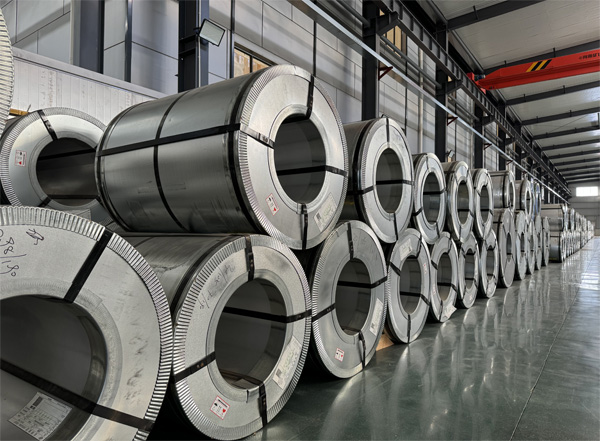
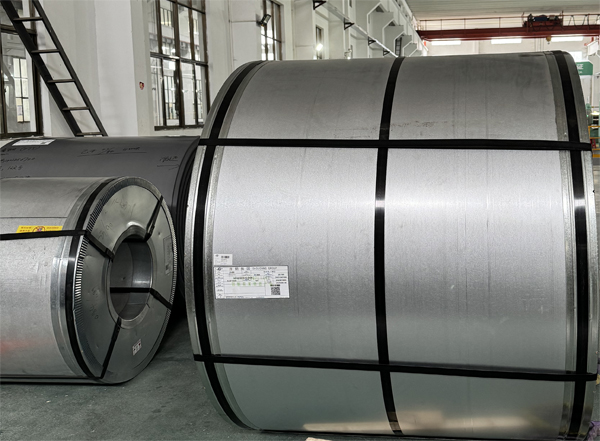
Grain-oriented silicon steel is the most commonly used material in oil-immersed transformer cores. It offers excellent magnetic permeability and low hysteresis loss, making it ideal for power efficiency.
For ultra-low loss transformers, amorphous metal cores are increasingly used. These materials significantly reduce no-load losses and are especially suitable for energy-saving distribution transformers.
| Material | Main Advantage | Application |
| Silicon Steel | Stable magnetic performance | General power transformers |
| Amorphous Alloy | Ultra-low core loss | Energy-saving projects |
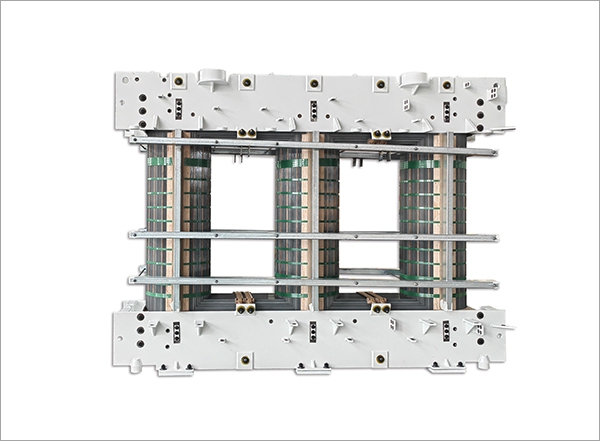
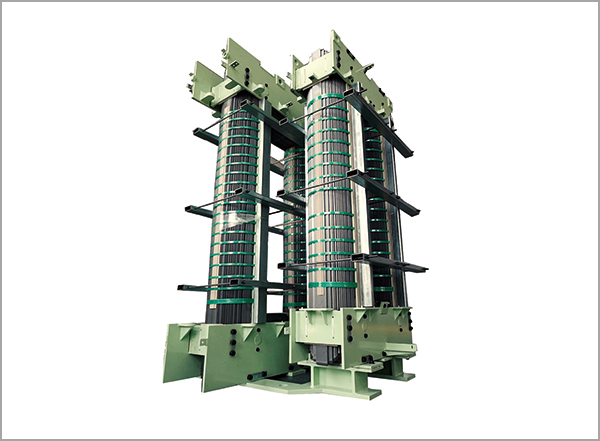
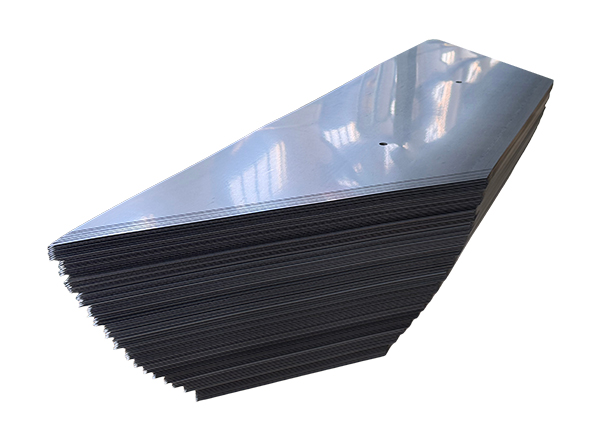
The core is not made from a solid block of steel. Instead, it consists of thin insulated laminations stacked together. This design minimizes eddy current losses generated by alternating magnetic fields.
Thinner laminations typically provide better efficiency but may increase manufacturing complexity and cost.
This is the most common design where windings are placed around the limbs of the core. It is widely used in distribution transformers.
In shell-type transformers, the core surrounds the winding, providing excellent magnetic shielding and mechanical strength.
When selecting an oil-immersed transformer core, several technical parameters must be carefully evaluated.
Core loss under no-load conditions is one of the most important performance indicators.
Proper flux density design ensures optimal efficiency without excessive heat generation.
Core vibration and magnetostriction directly affect transformer noise performance.
Oil-immersed transformer cores are widely used in utility substations, industrial distribution systems, wind power plants, solar farms, commercial buildings, and infrastructure projects.
Their reliability makes them a preferred solution for medium and high-voltage power transmission.
Regular oil testing, insulation monitoring, and temperature inspection are essential to ensure long-term transformer core performance.
The oil-immersed transformer core is the heart of efficient electrical energy conversion. By understanding its materials, structure, loss characteristics, and maintenance requirements, engineers and buyers can make better decisions for power system reliability and energy efficiency. A high-quality core design directly contributes to lower operational costs, improved safety, and longer equipment lifespan.

 +86-523 8891 6699
  +86-523 8891 8266
  info@tl-core.com
  No.1, Third Industrial Park, Liangxu Street, Taizhou City, Jiangsu, China
 Copyright © 2024 Taizhou Tianli Iron Core Manufacturing Co., Ltd. All Rights Reserved.




 Home
Home